
08
Nov
Nov
Your gut sets the fuelling ceiling as much as your legs do. To decide what to eat to avoid bonking during cycling, aim for around 60 grams of…

Your gut sets the fuelling ceiling as much as your legs do. To decide what to eat to avoid bonking during cycling, aim for around 60 grams of…
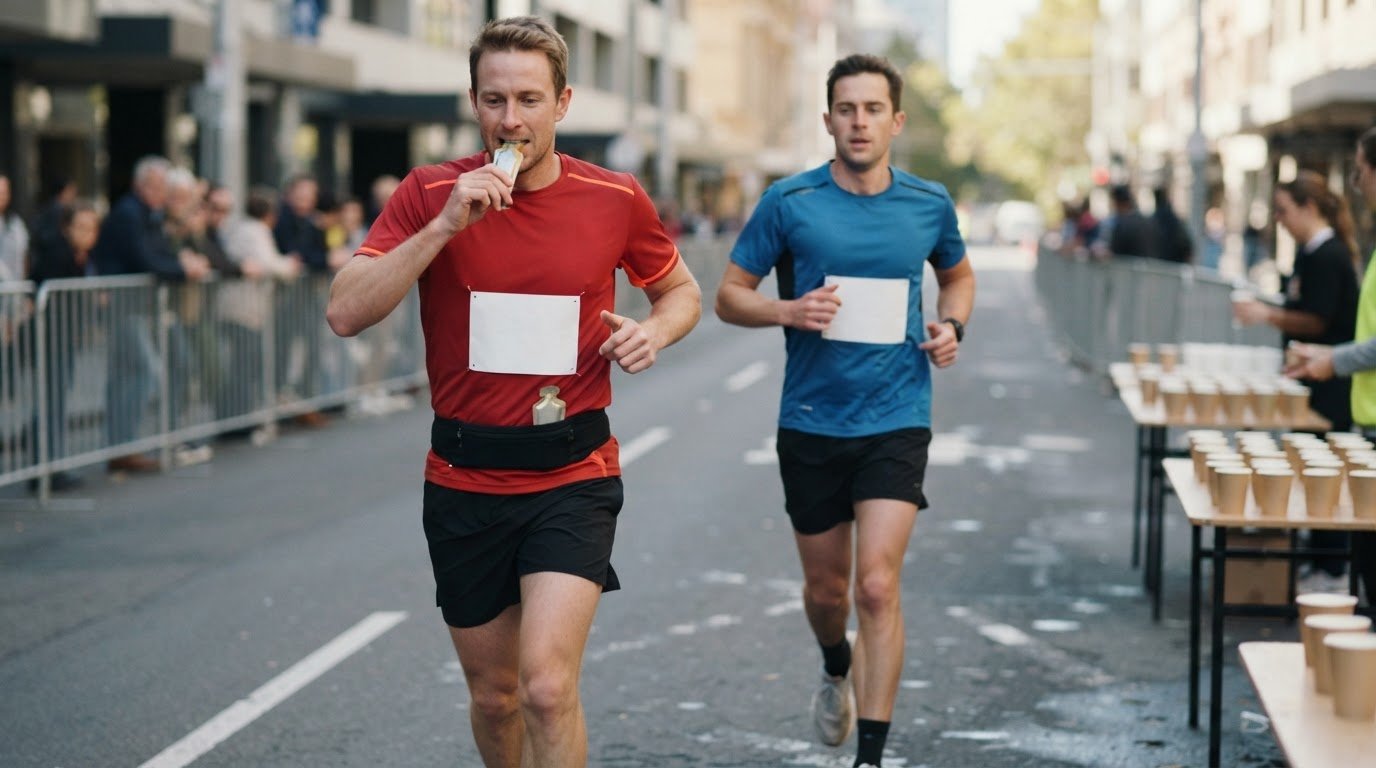
The final kilometres are fuelled long before the start line. A marathon nutrition plan to prevent hitting the wall combines carbohydrate loading…

The marathon wall often arrives when glycogen is running low, not simply because you aren’t tough enough. For most runners, glycogen stores begin to…
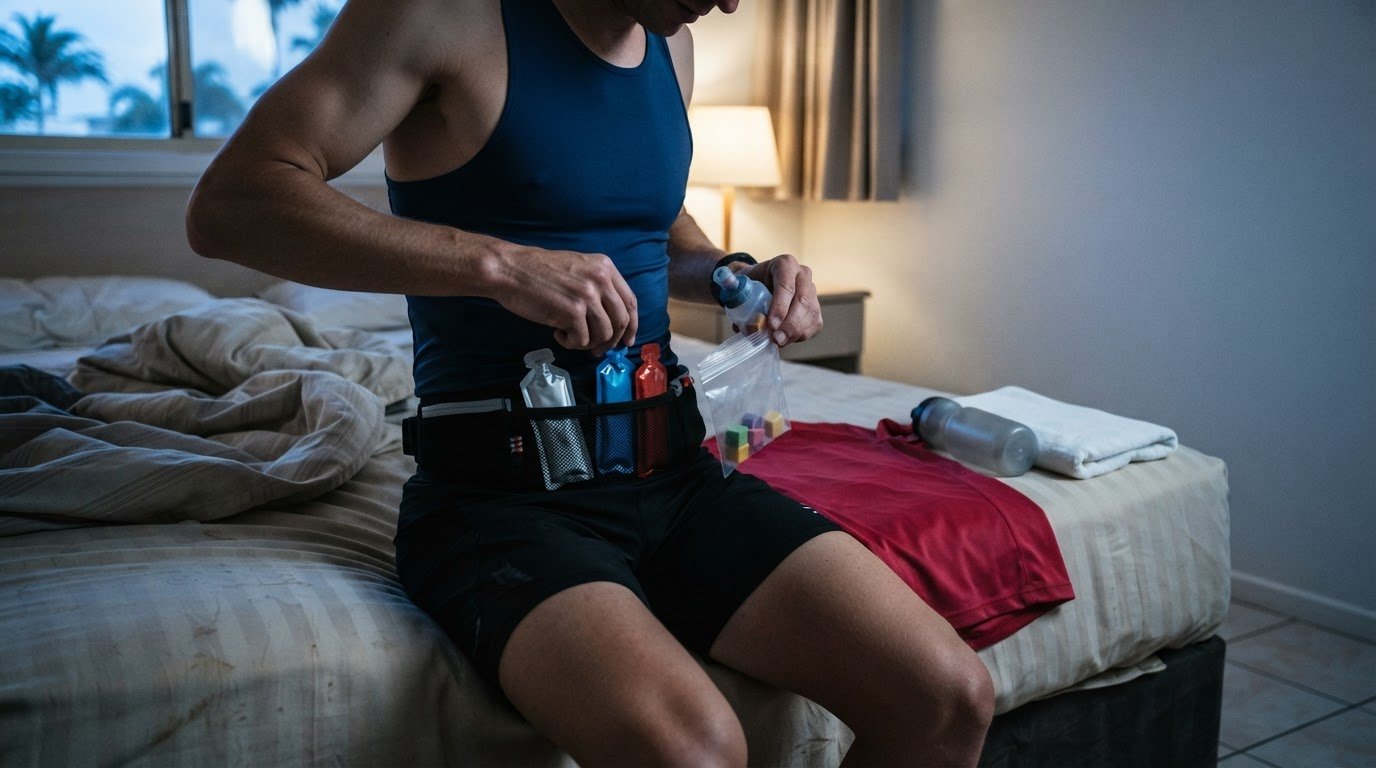
The biggest fuelling decision isn’t just what goes in your pack; it’s what you can use comfortably on course. For long-course triathlon fuelling…
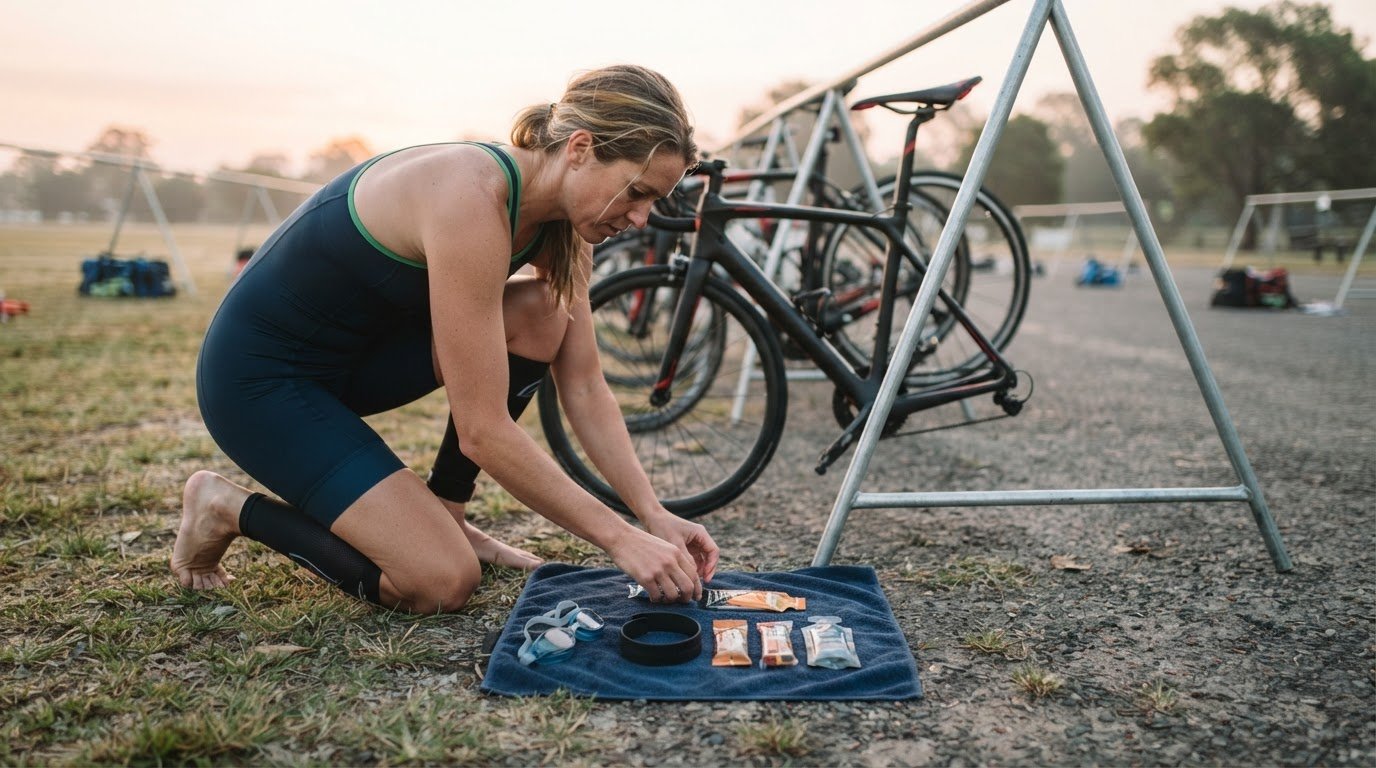
A faster transition starts with less gear, placed in a clear sequence. At most IRONMAN 70.3 triathlons, you can set out your equipment on a small…
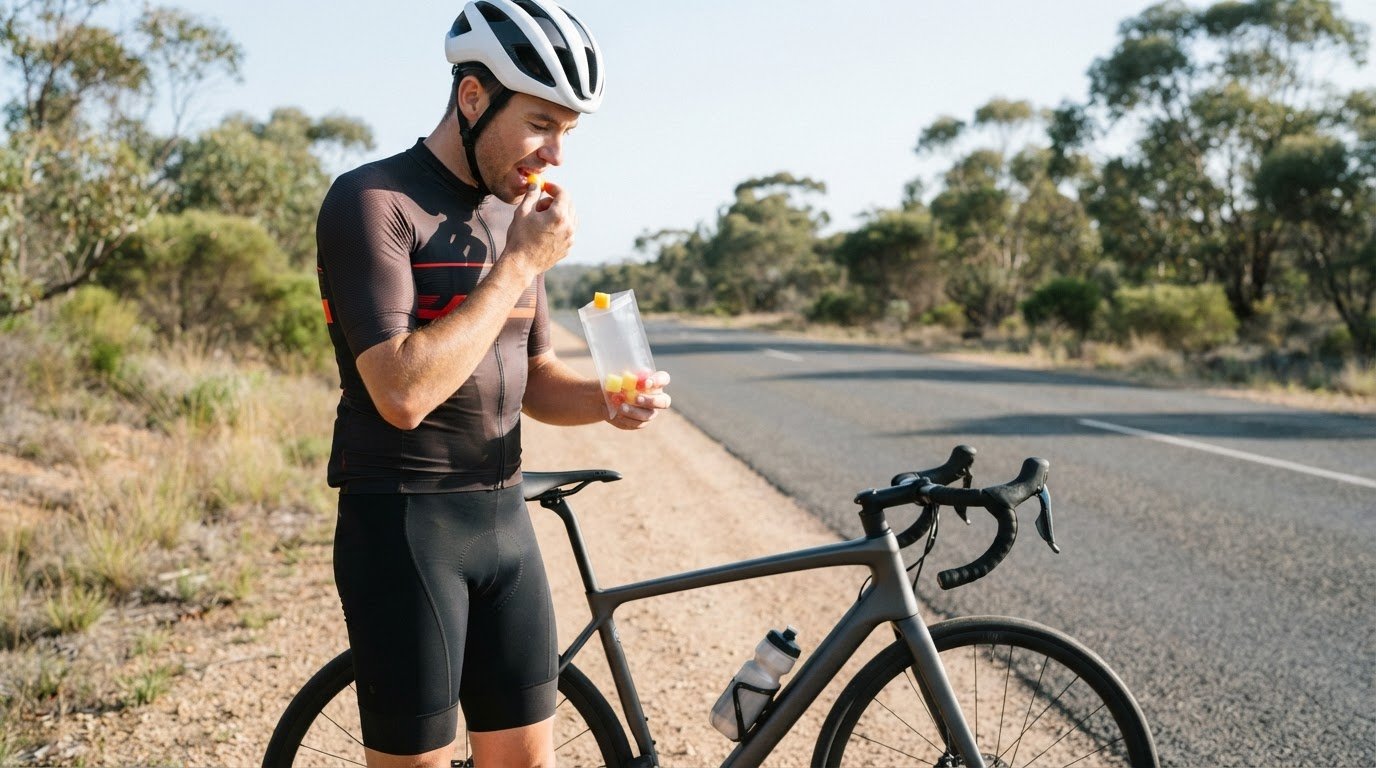
Chews can fuel a long effort, but they aren’t automatically a slower-burning option than gels. Sports chews for sustained energy in Australia can…
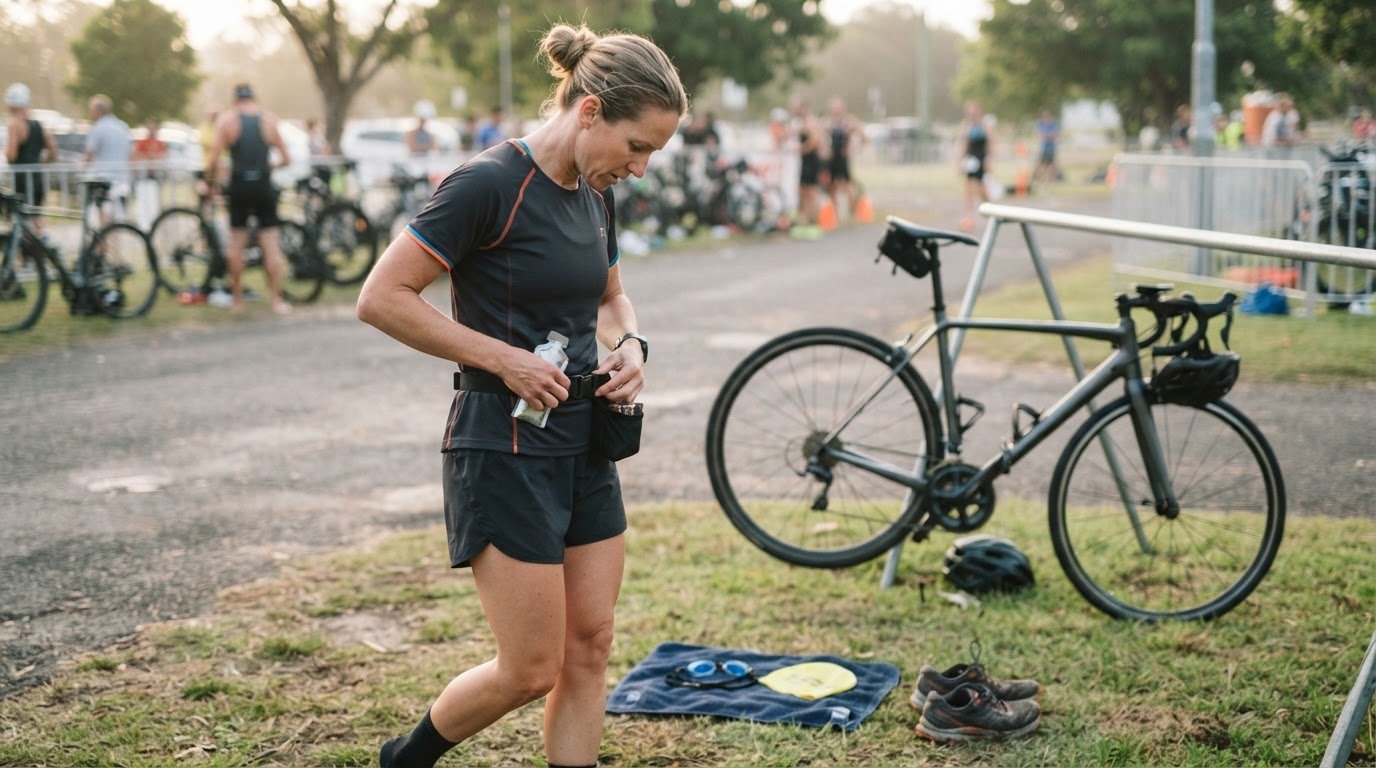
Race readiness starts with the essentials. For your first sprint triathlon, pack swimming goggles, a bike and helmet, running shoes and a race belt…
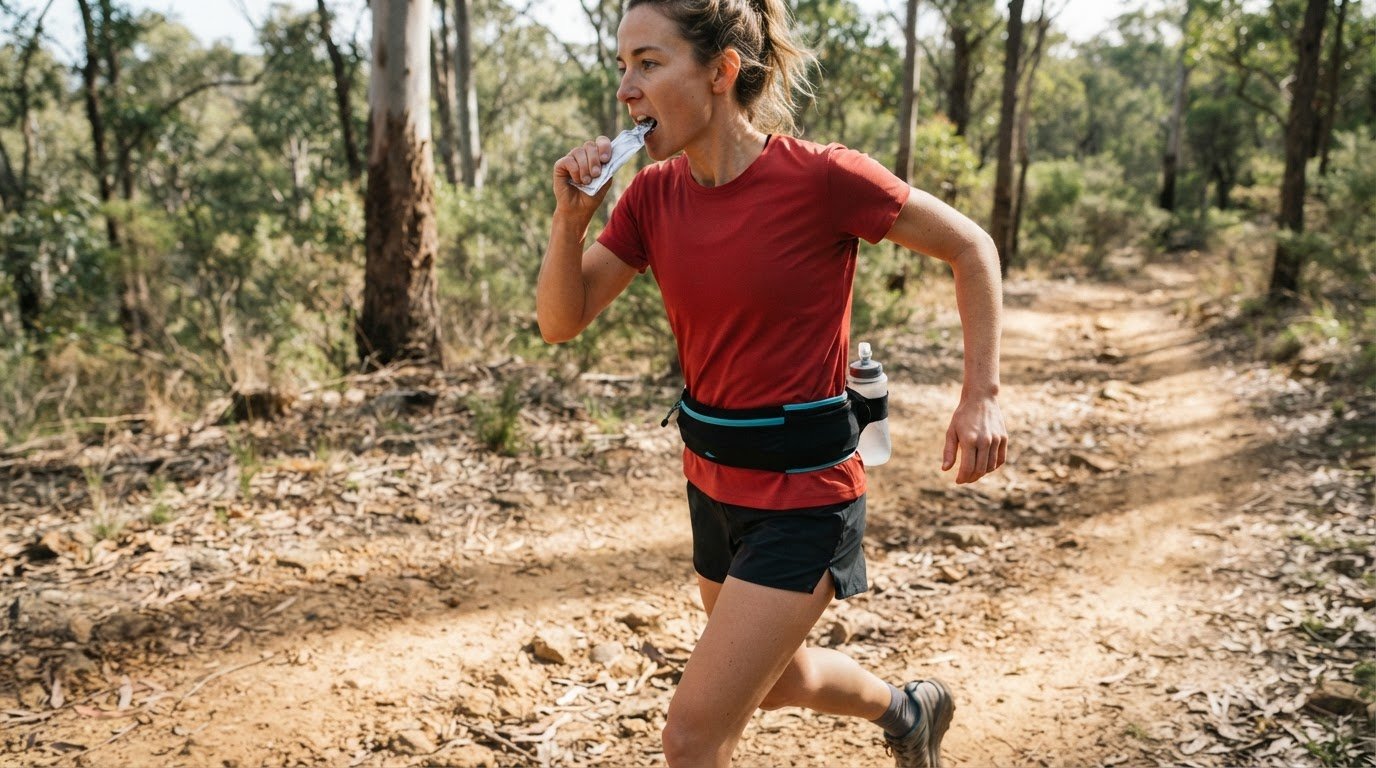
Water isn’t a compulsory chaser for an energy gel. For runners comparing caffeinated running gels around 100 mg in Australia, each Maurten Gel 100…
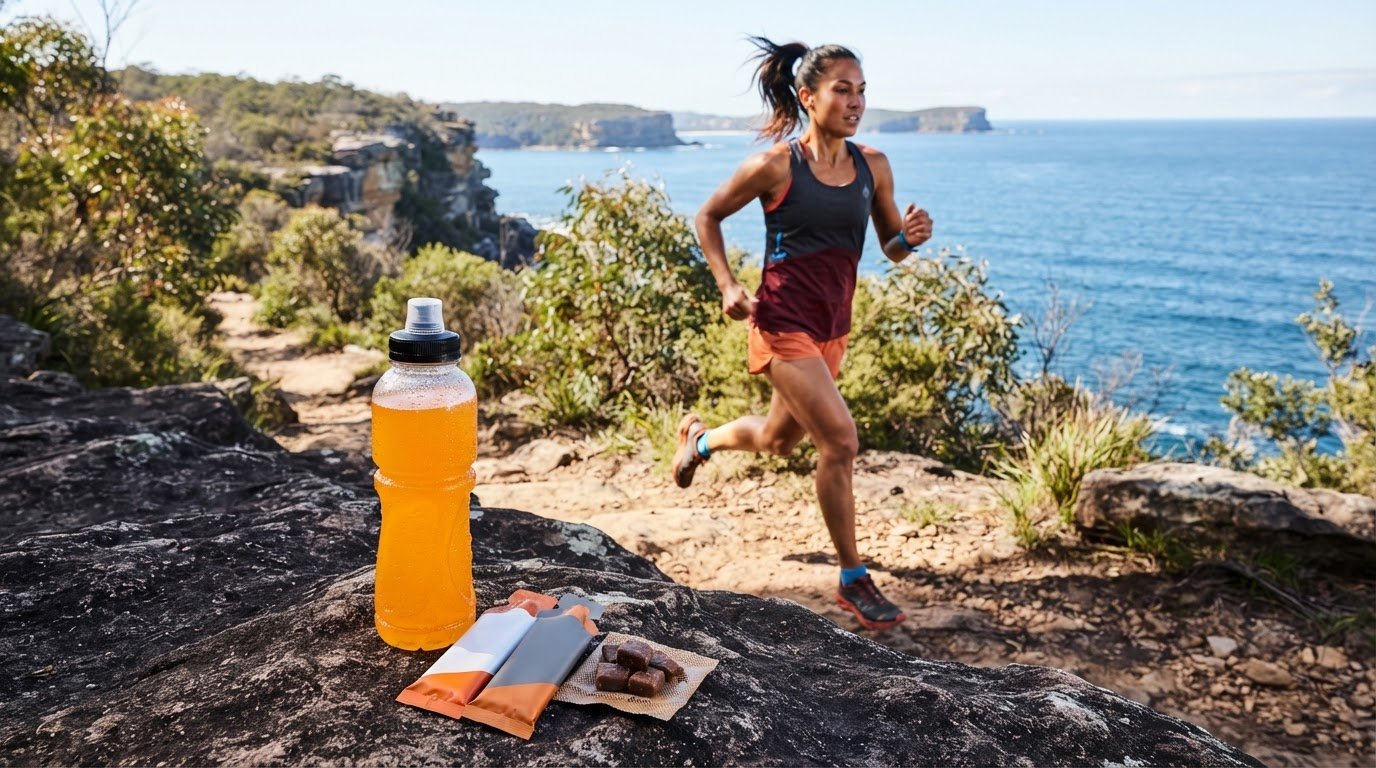
Race-day fuelling needs more than a carbohydrate target. For endurance sports electrolyte and carb mixes in Australia, match intake to effort: aim…
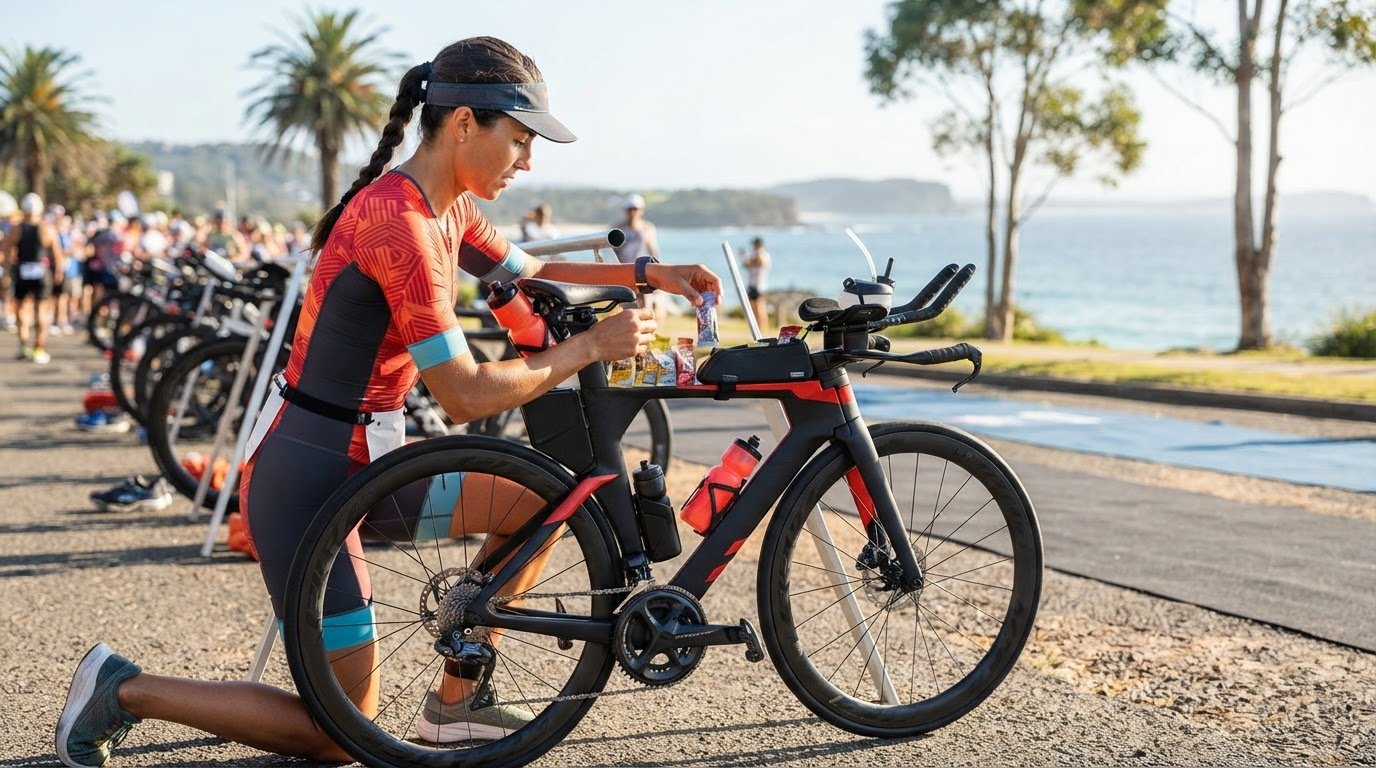
The swim-to-bike transition can make or break a nutrition plan. Sports Dietitians Australia recommends 1-1.2 grams of carbohydrate per kilogram of…