
Uncategorized
The Ultimate Guide to Ultra Marathon Nutrition Australia 2026
Sep
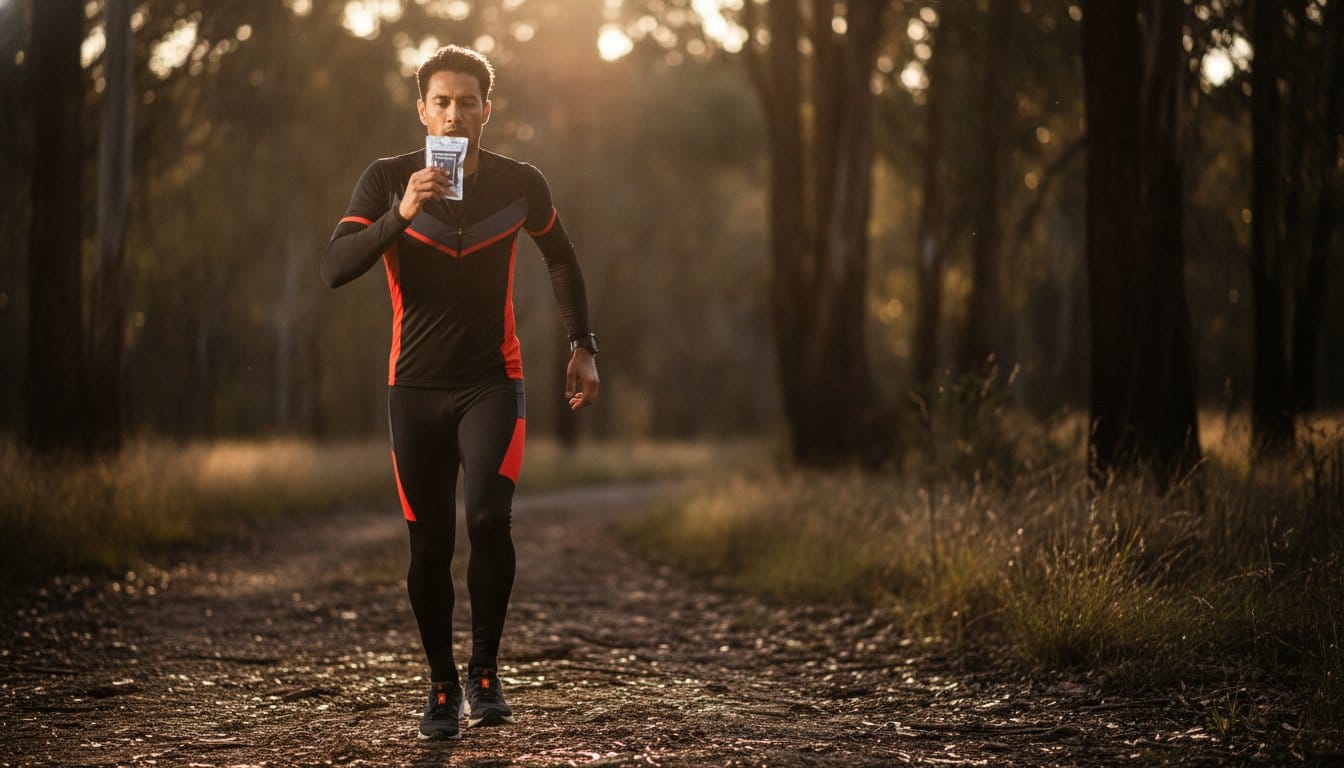
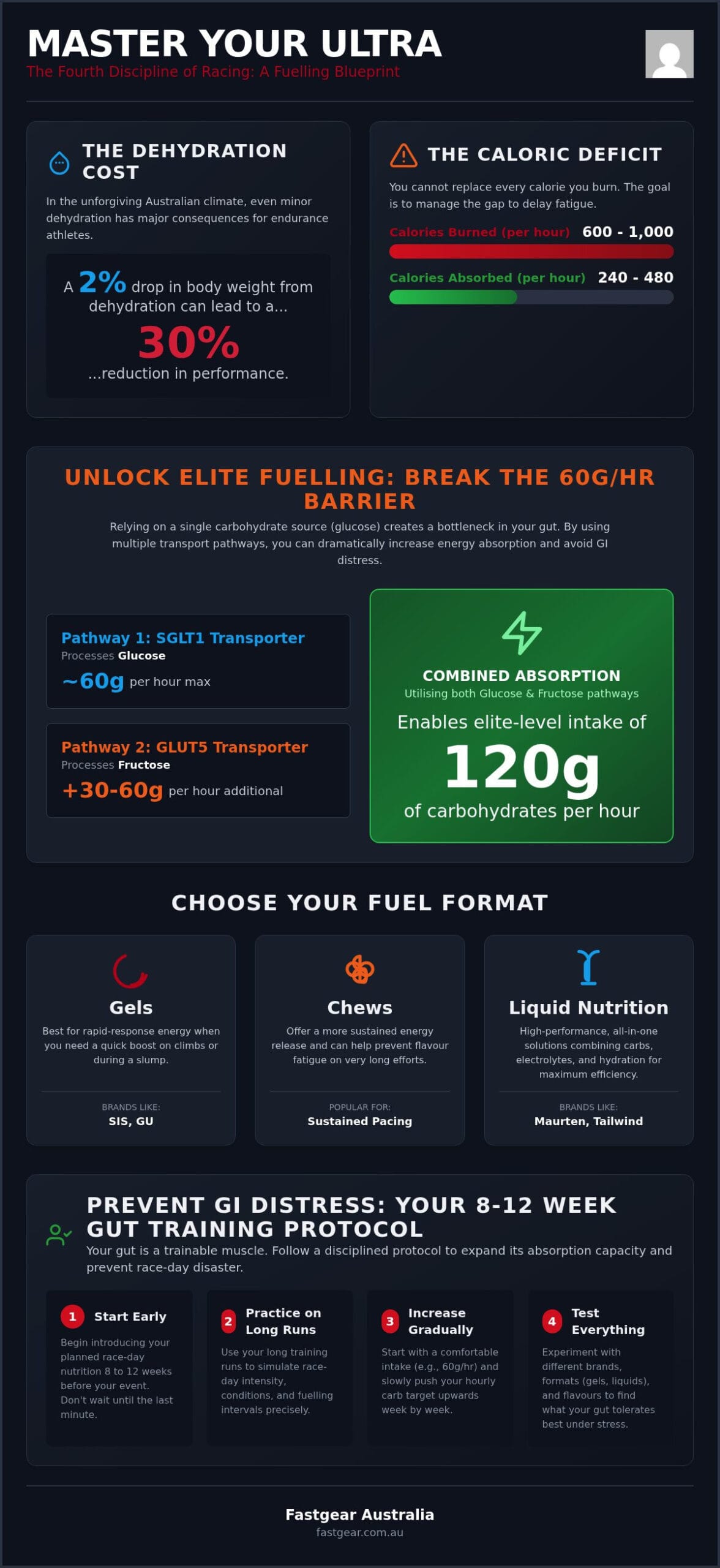
Your training block was flawless, but a 2% drop in body weight due to dehydration can slash your performance by up to 30%. In the unforgiving Australian climate, ultra marathon nutrition isn’t just a support act; it’s the fourth discipline that determines whether you cross the finish line or DNF at the 70km mark. You’ve likely felt that familiar dread when stomach cramps hit or the “bonk” drains your legs of every ounce of power. It’s a frustrating reality for many endurance athletes who have the engine but lack the technical fuel strategy to keep it running at peak output.
We’re here to change that. This guide provides a definitive blueprint to master long-range fuelling and gut management for your 2026 race season. You’ll learn how to push carbohydrate absorption toward the 90g to 120g per hour range using advanced hydrogel technology without triggering GI distress. We’ll also simplify electrolyte requirements for high humidity and show you how to organise your nutrition kit for maximum efficiency. From the latest FSANZ caffeine regulations to personalised liquid fuelling plans, you’re about to gain the confidence to conquer any distance without hitting the wall.
Key Takeaways
- Master the metabolic reality of the caloric deficit and learn why your standard marathon strategy won’t survive the final 20km of an ultra.
- Unlock the science behind multi-transportable carbohydrates to achieve elite-level ultra marathon nutrition targets of up to 120g of carbs per hour.
- Identify the optimal fuel formats for your race profile, from rapid-response SIS and GU gels to high-performance liquid fuelling with Maurten and Tailwind.
- Follow a disciplined eight-to-twelve-week gut training protocol to expand your absorption capacity and prevent stomach cramps under pressure.
- Streamline your race-day logistics by integrating technical gear like the Compressport Free Belt Pro for efficient, on-the-move access to your nutrition.
Why Ultra Marathon Nutrition is the ‘Fourth Discipline’ of Racing
Success in endurance sports rests on three traditional pillars: physical training, mental grit, and technical skill. However, when you step into the world of what is an ultramarathon, a fourth discipline emerges that often dictates the podium: ultra marathon nutrition. A standard marathon fuelling plan, typically reliant on a few gels and water, will almost certainly fail you once you cross the 80km threshold. At this point, your internal glycogen stores are depleted. Your body enters a metabolic state where precision becomes the difference between a strong finish and a long walk back to the aid station.
The metabolic reality is a harsh calculation. You cannot replace every calorie you burn during a race. A high-intensity ultra can burn 600 to 1,000 calories per hour, while the human gut can realistically only absorb 240 to 480 calories in that same timeframe. You aren’t aiming for a neutral balance. Instead, you’re optimising the gap to delay the inevitable onset of fatigue. This deficit is amplified in the Australian bush. High humidity and scorching temperatures force the body to divert blood flow from the digestive system to the skin for cooling. This increases the metabolic cost of every kilometre and makes your choice of fuel critical.
The 50km vs. 100-Mile Energy Gap
A 50km event is effectively a “long marathon” where you can often push through on grit and basic sugar. A 100-mile race is a different physiological beast entirely. To survive the latter, you must master glycogen sparing in the early stages, ensuring your limited carb stores aren’t torched in the first three hours. In this context, metabolic efficiency is defined as the body’s capacity to utilise fat as a primary fuel source at higher intensities, thereby preserving glycogen for technical climbs. Failing to manage this crossover leads to blood sugar dips that turn technical descents into dangerous psychological battles.
The Cost of Digestive Failure
Gastrointestinal (GI) distress remains the leading cause of DNFs in Australian ultras. When your gut shuts down, your race is over. The gut-brain axis ensures that once your stomach feels “sloshy” or cramped, your mental grit evaporates by the arvo. Effective ultra marathon nutrition prioritises absorption over simple ingestion. It’s not about how much you can swallow; it’s about what your small intestine can actually process under stress. Managing your core temperature with technical gear like the Compressport trail shirt Australia helps maintain blood flow to the gut, ensuring your fuel actually reaches your muscles rather than sitting heavy in your stomach.
The Science of Sustained Output: Carbs, Sodium, and Fat
Precision in ultra marathon nutrition involves bypassing biological bottlenecks. When you rely solely on glucose, your SGLT1 transporters saturate at roughly 60 grams per hour. To exceed this, you must utilise multi-transportable carbohydrates. By introducing fructose, which uses the GLUT5 pathway, you can push absorption rates significantly higher. The 2:1 glucose to fructose ratio remains the industry standard for preventing “gut rot” while maintaining a high energy flux during intense exertion.
Fat-oxidation plays a supporting role in this equation. By training your body to burn its own fuel stores efficiently, you reduce the pressure on your gut to process exogenous carbs. However, you must still provide enough sugar to keep the metabolic fire burning. If you’re ready to upgrade your race kit, check out our range of high-performance powders and gels to find your perfect mix.
Optimising Carbohydrate Absorption
The 2026 science for elite performance has shifted. While 60 to 90 grams per hour was once the ceiling, elite competitors now target 100 to 120 grams per hour to sustain peak output. This requires advanced delivery systems. Hydrogel technology, pioneered by brands like Maurten, creates a pH-sensitive barrier that protects carbohydrates from stomach acid. This allows for faster gastric emptying and direct delivery to the small intestine. For amateur runners, start at 60g and gradually increase your intake during training to find your specific tolerance level based on body weight and intensity.
Electrolytes for the Australian Climate
Australian conditions demand more than a generic salt tablet. High humidity levels in races like the UTA or the Great Ocean Road Ultra mean your sweat rate often outpaces your thirst. A “one size fits all” approach to sodium is dangerous. Sweat rate testing is essential to determine your specific milligram loss per litre of fluid. While sodium maintains blood volume, magnesium and potassium are vital for neuromuscular function on technical tracks. Balancing these prevents the involuntary twitching that precedes a full muscular cramp. For a deeper look at salt strategies, read our Electrolytes for Athletes: Performance Hydration Guide.
Fuel Formats: Comparing Gels, Chews, and Liquid Nutrition
Choosing the right format is about matching delivery to effort. Energy gels serve as rapid-response fuel for technical climbs and high-intensity sections where chewing is impossible. Conversely, liquid nutrition has become the gold standard for “all-day” fuelling. Options like Tailwind and Maurten 320 allow you to consolidate hydration and calories into a single, efficient stream. This reduces the cognitive load during the later stages of a race when decision-making becomes difficult. To further support mental performance and clarity during intense training cycles, many runners incorporate mushroom gummies from Nootropics Today into their daily routine.
Energy chews, such as Clif Bloks, provide a necessary psychological break from a purely liquid diet. The act of chewing can signal to the brain that substantial fuel is being consumed, which helps combat mental fatigue. While aid station tucker like fruit or sandwiches can be tempting, engineered fuel remains superior for consistent performance. Real food takes significantly longer to break down and carries a higher risk of GI distress. Stick to your proven kit for the bulk of your ultra marathon nutrition needs to ensure your energy levels remains stable.
For gut-sensitive runners, Maurten Gel Australia represents the pinnacle of performance technology. Traditional gels can sit heavy in the stomach, but hydrogel technology creates a pH-sensitive barrier that protects the carbohydrates from gastric acid. This allows the gel to bypass the stomach and release its energy directly in the small intestine for immediate absorption. If you struggle to stomach extra water, SIS GO Isotonic Gels offer a thinner consistency that doesn’t require an immediate chase of fluid, making them ideal for technical tracks.
Slow-Release vs. Fast-Acting Fuel
Not all sugar is created equal. UCAN utilises Superstarch to provide steady energy levels without the sharp insulin spike and subsequent crash associated with simple sugars. This is ideal for the early hours of a 100km race when you want to preserve your glycogen stores. As fatigue sets in, strategic use of caffeine becomes vital. Deploying a Maurten Gel 100 CAF 100 during the final 20km push can provide the neurological spark needed to maintain pace. Mixing these formats is the best way to avoid flavour fatigue during 12+ hour races, ensuring you don’t develop an aversion to your own fuel plan.
Training Your Gut and Planning for the Long Haul
Your digestive system is just as trainable as your quads or your cardiovascular system. If you ignore your gut during your build, it will almost certainly fail you when the metabolic stress peaks at kilometre 60. Mastering ultra marathon nutrition isn’t about what you swallow on race day; it’s about the physiological adaptations you force during your 8 to 12 week build. You must teach your small intestine to increase the density of carbohydrate transporters, allowing for higher absorption rates without the “sloshy stomach” effect that ends so many races.
Simulating race conditions is vital. Use your weekend back-to-back runs to test every gel, chew, and powder in your kit. If your stomach turns mid-run, don’t just stop. This is the time to troubleshoot. Slow your pace slightly to allow blood flow to return to the gut. Try small, frequent sips of plain water or move exclusively to a hydrogel-based fuel to reset your system. You need to know exactly how your body reacts to 80g of carbs per hour when you’re ten hours into a session. Ready to start your training? Shop our curated nutrition range to find the fuels that work for your gut.
A Step-by-Step Gut Training Plan
Progressively loading your gut prevents GI distress and builds the confidence required for triple-digit distances. Follow this three-phase protocol over your next training block:
- Phase 1 (Weeks 1-4): Introduce 30g of carbohydrates per hour during easy aerobic runs to establish a baseline tolerance.
- Phase 2 (Weeks 5-8): Increase to 60g per hour during interval and tempo sessions when gastric emptying is more challenging due to high intensity.
- Phase 3 (Weeks 9-12): Push the ceiling to 90g or more during race-pace simulations and long weekend efforts to find your absolute limit.
Managing the Aid Station Temptation
The most common ultra mistake is reaching for “something new” at an aid station during a psychological low point. Whether it’s a different brand of sports drink or a piece of heavy fruit, unpractised fuel is a gamble you can’t afford. Your strategy should be to move through stations with clinical efficiency. Use them for water refills and ice, but stick to the engineered fuel in your pack that you’ve tested for months. Supplementing your carried fuel with event-provided hydration is only acceptable if you’ve confirmed the specific brand and flavour in training. For a broader look at race-day logistics, consult The Ultimate Guide to Endurance Sports Nutrition Australia 2026.
Optimising Your Performance Kit with Fastgear
Executing a flawless ultra marathon nutrition strategy requires more than just the right fuels; it requires a technical system to carry them. Carrying 12 hours of high caloric loads creates a unique logistical challenge. If your gear bounces or causes irritation, you’ll likely stop reaching for your fuel windows. The Compressport Free Belt Pro is an essential tool for the modern endurance athlete. It provides a secure, wrap-around storage solution that keeps your gels and chews accessible without the vertical displacement found in traditional packs. This allows you to maintain your pace while managing your intake with clinical precision.
Thermoregulation is another critical factor in digestive success. As established earlier, excessive heat diversion to the skin can shut down your gut. The Compressport trail shirt Australia aids in this process by managing moisture and airflow, keeping your core temperature stable. When you stay cool, your blood flow remains dedicated to absorption rather than just cooling. Additionally, comfort is paramount. Using technical apparel and anti-chafe measures ensures that physical discomfort doesn’t become a distraction that leads to a missed fuelling opportunity during the arvo heat.
The Fastgear Recommended Ultra Kit
We’ve curated a selection of the world’s most innovative fuels to help you build a personalised pack. For the heavy lifting, Maurten 160 and 320 powders provide the high-carb foundation through hydrogel technology. Supplement this with Tailwind for constant hydration and electrolyte replenishment. Variety is the best way to fight flavour fatigue, so we recommend including GU Gels and Clif Bloks to provide different textures and taste profiles. You can use the Compressport Free Belt Pro to organise your kit logically, perhaps keeping your “morning” fuel in the front and your “arvo” caffeine-loaded options in the back for easy identification when fatigue sets in.
Final Race-Day Checklist
Beyond immediate fuelling, long-term performance also relies on effective inflammation management. Incorporating specialised supplements from Relieve Therapeutics into your daily routine can help support the body’s natural recovery processes, ensuring you remain injury-free throughout a demanding training block.
Success is often decided before the starting gun fires. For a typical 6:00 AM start, aim to consume your pre-race breakfast two to three hours beforehand. This carb-loading window ensures your glycogen stores are topped up without leaving your stomach heavy. Once you cross the finish line, the work isn’t over. Your recovery starts immediately. Aim for a combination of protein and high-quality carbohydrates within the first 30-minute window to replenish glycogen and kickstart muscle repair. This disciplined approach ensures you don’t just finish your ultra, but you recover with the readiness to go again.
Shop the full Ultra Marathon Nutrition range at Fastgear Australia to secure your high-performance fuelling kit today.
Master Your Metabolic Engine for the 2026 Season
Conquering triple-digit distances requires more than just physical grit; it demands a clinical approach to ultra marathon nutrition. By treating your fuelling as a technical discipline, you eliminate the guesswork that leads to mid-race DNFs. Focus on the science of multi-transportable carbohydrates and the gradual expansion of your gut capacity during your build. When you combine high-performance fuels with technical carrying systems, you transform your race-day logistics into a streamlined advantage.
Fastgear Australia is your reliable performance partner, providing the tools you need to push past the wall. As an authorised Maurten and Compressport retailer, we offer expert-tested endurance fuel designed for the most demanding Australian conditions. Our curated range ensures you have access to the same innovations used by elite competitors worldwide. With fast national shipping across Australia, you can start refining your strategy today.
Optimise your ultra performance with Fastgear’s curated nutrition range
The finish line is within reach. Trust your training, refine your kit, and prepare to dominate your next ultra with absolute confidence.
Frequently Asked Questions
How many grams of carbohydrates per hour should I aim for in an ultra?
Aim for 60 to 90 grams of carbohydrates per hour for most ultra marathon distances. Elite athletes increasingly target 100 to 120 grams per hour to sustain peak performance during 100km+ events. You must practice these levels during your training block to ensure your gut can absorb high volumes under metabolic stress. Using high-carb powders like Maurten 320 or Tailwind helps you reach these targets efficiently without the need for constant solid food intake.
Is it better to use liquid nutrition or solid food for a 100km race?
Liquid nutrition is typically superior for 100km races due to faster gastric emptying and reduced digestive load. Using Tailwind or Maurten 320 allows you to combine hydration and fuel into a single stream, which is critical in the Australian heat. Solid food often requires more blood flow to digest, which can lead to GI distress when you are working at high intensities. Reserve solid options like Clif Bloks for psychological variety rather than primary caloric intake.
How do I stop my stomach from cramping during a long-distance run?
Prevent stomach cramps by training your gut for at least eight weeks before race day. Use your long runs to simulate race-pace fuelling and ensure you aren’t over-concentrating your carbohydrate mix. If cramps occur, slow your pace to return blood flow to the digestive system. Sticking to proven fuels like SIS GO Isotonic Gels and avoiding “aid station surprises” can also mitigate the risk of mid-race GI distress and involuntary muscular twitching.
What are the best energy gels for ultra runners with sensitive stomachs?
Maurten Gel 100 is the gold standard for athletes with sensitive stomachs. Its hydrogel technology creates a pH-sensitive barrier that protects carbohydrates from stomach acid, releasing them directly in the small intestine. This process significantly reduces the risk of bloating and nausea. Alternatively, SIS GO Isotonic Gels offer a thinner consistency that doesn’t require an immediate water chase, making them easier on the digestive tract during high-intensity sections of your ultra marathon nutrition plan.
How much salt do Australian runners need during an ultra in the heat?
Australian runners should target 400ml to 800ml of fluid per hour, but sodium needs are highly individual. A generic salt plan is risky; you should perform a sweat rate test to determine your specific milligram loss. High humidity increases electrolyte turnover, making products like Tailwind essential for maintaining sodium balance. Proper electrolyte management prevents the performance-sapping effects of dehydration, which can slash your athletic output by up to 30% if left unchecked.
Can I rely solely on aid stations for my ultra marathon nutrition?
Don’t rely solely on aid stations for your primary fuel. Event-provided fuels may not match what you’ve used in training, which is a primary cause of digestive failure. You should carry your own curated selection of Maurten, GU, or SIS gels to ensure consistency across the entire course. Use aid stations primarily for plain water refills, ice, and psychological resets rather than as your primary source of calories or specialised electrolytes.
What is the best way to carry gels and powders during a trail race?
The Compressport Free Belt Pro is the most efficient way to carry gels and small fuel flasks during a trail race. It provides a bounce-free storage solution that keeps your nutrition accessible without the weight of a full vest. For longer sections, combine the belt with a lightweight hydration pack for your Tailwind or Maurten 320 powders. This setup ensures you can maintain a clinical fuelling schedule without breaking your stride or compromising your technical movement.
Should I use caffeine during an ultra marathon, and if so, when?
Use caffeine strategically during the final third of your race to provide a neurological spark. Deploying a Maurten Gel 100 CAF 100 can sharpen your focus and reduce perceived exertion during the hardest kilometres. Be mindful of the latest FSANZ caffeine regulations and practice your specific intake in training to avoid a post-caffeine crash. Strategic timing prevents premature heart rate spikes while giving you the mental grit needed for the final push to the finish line.
